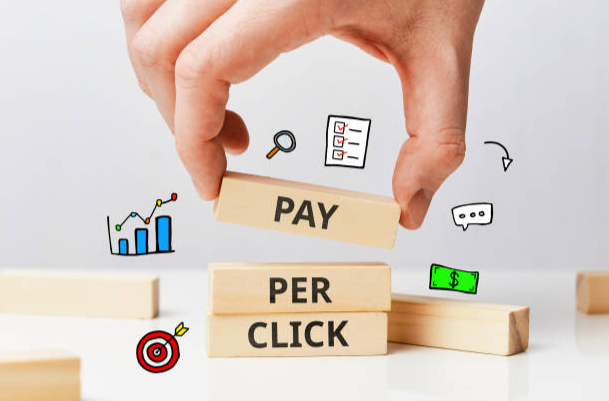
Pay-per-click advertising is more than just getting clicks. It is about transforming those clicks into significant actions that help your company expand. Many efforts fail because they prioritise traffic above conversions. The actual victory is when every dollar spent produces visible outcomes. This is where strategy is more important than budget size. A well-optimised PPC campaign acts as a magnet. It draws the appropriate individuals at the appropriate time with the appropriate message. Every element from ad copy to landing pages shapes the result. Little changes may have a great impact. This is the reason why companies frequently depend on specialists like a PPC company Manchester to improve their marketing. Once optimisation becomes a regular practice, conversion rates go up and outcomes seem natural.
Know your Audience
Clarity sets the foundation of PPC success. You cannot target everyone and expect outcomes. Broad aiming draws clicks rather than purchases. That means wasted money and low returns. Carefully study your clients. Their habits? What concerns do they want resolved? Obtain insight with customer polls and Google Analytics. Create audience profiles with great specifics rather than guesses.
Write Ads That Speak Directly
Your advertisement has to draw notice very rapidly. People hurry; poor copy is disregarded. Be definite in your pledge. Describe to them precisely what they get. Choose active words like “Get,” “Start,” or “Try.” Concentrate on the advantage, not just the goods. “Save money today” is a straightforward statement that is more potent than “Affordable options available.” To generate urgency, include numbers, discounts, or time constraints. Short and simple sentences are to be scanned.
Use Keywords with Purpose
Keywords point the appropriate audience to your ad. Not all keywords, however, provide the same value. Although generic terms attract a lot of visitors, fewer conversions result from them. Go toward target keywords instead. Someone typing “buy running shoes online” is more likely to buy than someone inputting “shoes.” Include both broad and precise matches, but observe precisely. Block inappropriate clicks with negative keywords. Based on data, keep improving.
Create Converting Landing Pages
The true magic is on landing pages. Click is lost if the page fails. Your website has to precisely meet the guarantee in the ad. Emphasise at the top of the page if you provide a free trial in your advertisement. Use clear and strong headlines. For quick reading, divide the material into brief paragraphs. Get rid of distractions like too many links. Each page should have one obvious action: register, buy, or contact. Add visuals that strengthen your message rather than arbitrary stock photos. Trust badges, reviews, or assurances help to overcome reluctance.
Test and Adjust Regularly
From the beginning, no PPC campaign is flawless. Sharpens results through testing. Compare several versions of your landing pages or commercials using A/B testing. One component at a time: headers, graphics, calls-to-action, even colour. Sometimes the least adjustment may increase conversion rates by 10% or more. Watch outcomes closely and keep the winning versions. Repeat the circle often. Additionally, keep your campaigns fresh and avoid ad fatigue through testing. Modify your bids, scheduling, and target as user behaviour changes.
Focus on Ad Extensions
Selling benefits from the added space provided by ad extensions. They let you add more value without incurring more per-click costs. Direct consumers toward particular pages using site link extensions. Call extensions for immediate contact. Location extensions generate trust for local companies. Structured snippets reveal the breadth of your services. Every extension raises your reputation and visibility. People like advertising that is more thorough and front-loaded. Naturally, conversions go up when there are more choices to click. Ad extensions make your ad stand out in a packed field.
Track Performance Closely
PPC becomes blind spending without tracking. Data reveals what is failing and what is working. Regularly examine conversions, clicks, and impressions. Investigate bounce rates and time spent on landing pages more thoroughly. Your page may not live up to their expectations if people leave quickly. Track the cost per conversion, not only cost per click. This reveals if your budget is spent properly. For user behaviour, use tracking tools like heatmaps and Google Ads reports. Good tracking makes decisions from data. It improves results and saves money.
Conclusion
Better PPC is a marriage of strategy and caution. You need precise targeting, effective advertisements, and wise keyword selections. Your landing sites have to meet on their word. You have to regularly test, monitor, and modify. Above all, you must design a seamless beginning-to-end user experience. Your PPC campaigns become conversion engines when all these components work together. Every click counts. Each advertisement puts more effort. The result is not only increased revenues but also wiser spending. View PPC as a living system that grows in strength with attention. The effort you put in today builds tomorrow’s outcomes.