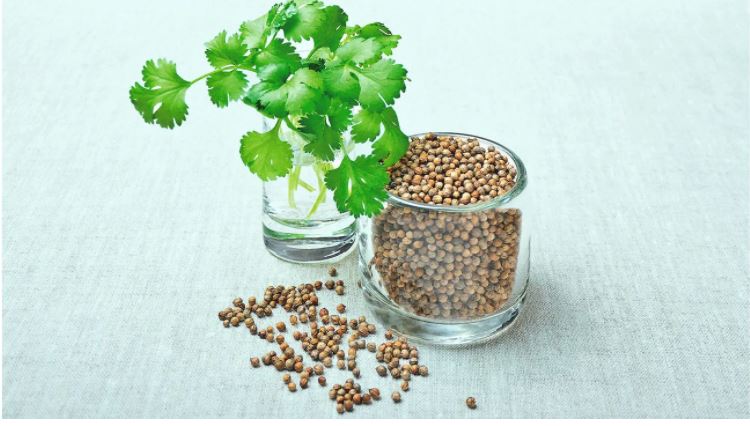
Koriandri is a centuries old spice and herb that has been prized by the kitchens and traditional medicine. Koriandri is not only a seasoning but also with a specific smell and flavor. It is full of vitamins, antioxidants, and natural compounds which are beneficial in general health.
Koriandri is also found in the world in various forms including seeds, powder, and fresh leaves. It enhances curries, soups, salads and even drinks. In addition to taste, koriandri has some serious medicinal value, which makes it an important constituent of healthy diets.
Nowadays, koriandri is getting fame in terms of digestive health and supporting the heart as well as developing immunity. Koriandri is a favorite substance whether one is trying out new spices or is in need of natural healing.
What Is Koriandri?
Koriandri which is commonly known as coriander in English is the name of the seeds and leaves of the plant Corian drum sativum. It is a part of the parsley family and has been grown over thousands of years. Coriander seeds are warm, nutty and a little citrusy whereas the leaves (also referred to as cilantro) have a fresh and sharp smell. This two-fold application makes coriander special in the cooking style.
No different herb can be as compared with the flexibility of coriander, which finds its utility in Indian curries, center eastern stews, Asian soups, and even au sauces. Ayurveda and ancient Chinese medicine accepted its medicinal use, coriander was used to deal with indigestion, irritation, and detoxification.
To study extra about coriander, it is important to look it as a spice and holistic health booster. Its flexibility in various dishes and healthy lifestyles demonstrates why remains topical in contemporary life.
Nutritional Value of Coriander
Among the things that make koriandri popular in the world is that it is flexible during cooking. The seeds are usually roasted and crushed to a fine fine powder to add flavor to curries, lentils and rice preparations. The leaves of koriandri are also sprinkled over salads, chutney, and soups and bring brightness and freshness.
The koriandri folia is used as a component in spice mixtures, such as garam masala in Indian food. In Middle Eastern cuisines, a combination is made of koriandri and cumin in stews and bread. Latin American cuisine requires the use of koriandri leaves (cilantro) in salsa and guacamole.
Koriandri is also not just a garnish as it can be used to add flavor to everyday meals and even make them gourmet. Koriandri is a spice which unites cultures via taste, as it can adjust to the global cuisines.
Culinary Uses of Koriandri
Koriandri is not just one of the ingredients in the kitchen, but it is a natural medicine. Its advantages are as varied as stomach support up to heart protection. The seeds have dietary fiber which controls the bowel movements and lightens the bloat. Koriandri antioxidants fight against the free radicals, thereby decreasing the chances of contracting chronic diseases.
The studies indicate that koriandri can reduce cholesterol and sugar levels, which is helpful in the prevention of heart conditions and the management of diabetes. It is also antimicrobial in nature and it helps fight infections naturally.
The other important advantage of koriandri is that it is soothing. It is estimated that the scent of leaves of koriandri triggers relaxation and decreases stress. These are the reasons why koriandri is a critical component of nutrition and overall wellness practices.
Health Benefits of Koriandri
Koriandri is not simply one of the contents in the kitchen but it is also a natural medicine. Its benefits are as diverse as stomach support up to heart protection. The dietary fiber in the seeds regulates the bowel movements and the bloat. The Koriandri antioxidants combat the free radicals hence reducing the possibility of developing chronic diseases.
The research reveals that koriandri can help lower the cholesterol and sugar level that is helpful in preventing heart diseases as well as managing diabetes. It also has an antimicrobial nature and also assists in fighting infections naturalistically.
The other significant benefit of koriandri is that it is relieving. The smell of leaves of koriandri is estimated to cause relaxation and reduce stress. That is why koriandri is a very important element of nutrition and wellness practices.
Koriandri in Traditional Medicine
Koriandri is a significant element of natural healing systems, which have functioned for centuries. Ayurveda is koriandri to balance the digestive system, to cool the body, and to treat inflammation. Koriandri seeds are mostly used by herbal practitioners to detoxify the kidney and liver.
Traditional Chinese medicine also brings out koriandri in its power to circulate energy throughout the body, stimulate appetite, and stomach uneasiness. Koriandri was used in Middle East folk medicine in the form of teas used in the treatment of colds, coughs, and headaches.
Modern research is now able to back the practices that have always been in existence. Koriandri is a medicinal herb that is justified by the presence of bioactive compounds. This is the combination of ancient wisdom and scientific evidence that makes koriandri a good health enhancer.
How to Use Koriandri in Daily Life
Koriandri is easy to integrate into everyday life and pleasant. No need to spend money buying fresh juice bottles, fresh leaves can be chopped into salads, soups, or smoothies to get bursts of nutrition. Koriandri are roasted and used as spice blends or tea with digestive properties.
Another traditional solution is koriandri-infused water which is used to clean the body and enhance metabolism. Just soaking koriandri seeds overnight and taking the water in the morning is claimed to be good for the gut.
Food is not the only koriandri product, as it is also employed in skincare remedies. It has extracts that are reputed to calm down aggravated skin and achieve a clear complexion. All these applications demonstrate that koriandri is a spice and a lifestyle ingredient.
Side Effects and Precautions of Koriandri
Even though koriandri is usually safe, it must be taken in moderation. There are individuals who can have allergic reactions to the koriandri leaves or seeds. Overuse can cause sensitivity, skin rashes or stomach cramps.
Koriandri should not be taken in large quantities by pregnant and breast feeding mothers without consulting a health professional. Individuals under blood thinning medication should also be sensitive because koriandri contains natural substances which are capable of influencing clotting.
All in all, koriandri can be eaten on a daily basis as a spice or herb in cooking. Dosage awareness will make koriandri beneficial to health and not harmful.
Growing Koriandri at Home
After the plant has attained a reasonable size, which is typically between 3-4 weeks, then harvesting is possible to pick koriandri leaves. The seeds may be harvested when they dry brown in the plant. Planting koriandri in the backyard will provide the year round supply of koriandri leaves and koriandri seeds.
This does not only lessen the necessity to purchase the spices in packages but also promotes a more sustainable way of life. A ready koriandri will help one add freshness and health to every meal.
FAQs About Koriandri
What is koriandri used for?
Koriandri is used in cooking to give flavor and aroma to food and in traditional medicine as a digestive, detoxifier and generally as a wellness agent.
What are the health advantages of koriandri?
Koriandri promotes the digestive device, decreases levels of cholesterol, balances blood sugar and is also a supply of antioxidants to enhance immunity.
Can koriandri be eaten daily?
Yes, koriandri could be taken every day in moderate portions, in food and teas, or fresh salads.
What are the side effects of koriandri?
Most people do not have problems with koriandri but are allergic/sensitive to it in uncommon cases. Its use should not be excessive.